Tekko (鉄甲)
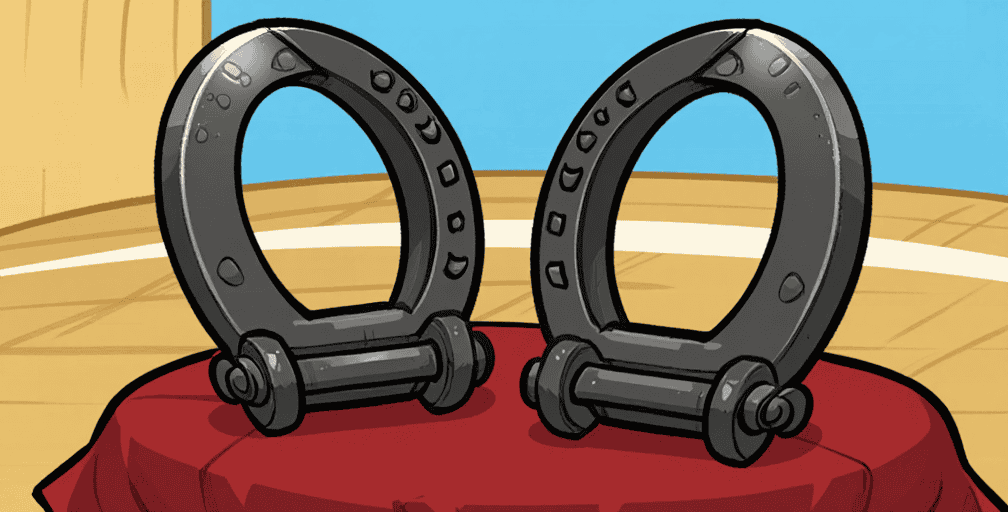
The tekko (鉄甲, also written 鉄甲 or テッコウ) are metal knuckle guards worn over the fist. According to the Ryukyu Kobudo weapons page, tekko originally came from horse shoes (馬蹄) used in agriculture: people realized that if the iron shoe was held in the hand, it could reinforce the fist so that existing karate punches could be used almost unchanged, making tekko a very efficient weapon to learn and employ.
Of the eight Taira curriculum weapons, tekko is the only one worn rather than held. Traditional tekko had protruding spikes, but modern practice usually uses rounded ends for safety.
Physical Characteristics
| Property | Detail |
|---|---|
| Form | Metal arc fitting across the knuckles |
| Projections | One or more short points on the striking surface |
| Material | Iron or steel |
| Usage | Worn, one per hand, or one hand only in some kata |
Technique
Because the tekko is worn, the hand retains its ability to grip and strike normally, but every punch, block, and grab is now augmented by the metal surface. Key applications include:
- Augmented punching: adding cutting or impact from the metal surface
- Clawing and hooking: using the projections to seize or damage
- Close-range blocks: the metal deflects or traps blade attacks
The tekko kata therefore closely resemble empty-hand karate sequences, performed with the additional tactical options the weapon creates.
Kata in the Taira Curriculum
- Maezato no Tekko (前里の鉄甲, first kata): Composed by Taira Shinken himself; the name Maezato relates to his birth name before adoption. The kata closely resembles empty-hand karate sequences, applying the tekko's metal surfaces to augment standard punching, blocking and raking techniques.
- Tekko no Ni (鉄甲の二, second kata): The second tekko kata in the Taira curriculum. Practitioners in the Taira lineage account include those in the Ryu Kon Kai, Akamine, Miyazato, and Kakazu traditions.
Related Weapon: Tetchū (鉄柱 / 寸鉄)
The 揆奮館 article also describes 鉄柱(寸鉄), a roughly 15‑cm iron rod with a ring, used both as a palm weapon and for throwing. This weapon is likened to small shuriken‑like projectiles, showing that throwable iron rods were part of Okinawan weapons culture, not only chains or stones. The tetchū represents a different class of iron weapon from the tekko, emphasizing projectile capability over fist reinforcement.
Sources
- Tekkō — Wikipedia: Full development history (yawara → chize kun bo → tekko → tek chu → horseshoe tekko → stirrup tekko), construction, confirms Taira Shinken's Maezato no Tekko kata; notes current practitioners include Taira/Ryukyu kobudo lineages
- Taira Shinken — Wikipedia: Confirms Taira created Maezato no Tekko; name derives from his birth name Maezato
- Okinawan kobudō — Wikipedia: Confirms two tekko kata in the Taira curriculum
- Ryukyu Kobudo Weapons: Horseshoe (馬蹄) origin, agricultural roots, karate punch reinforcement, efficiency, traditional spikes vs modern rounded ends
- 琉球古武道武器術 — 揆奮館流武術 (YouTube): Tetchū (鉄柱/寸鉄) description, 15-cm iron rod with ring, palm weapon and throwing applications, shuriken-like projectiles in Okinawan weapons culture