Taira Shinken (平信賢, 1897–1970)
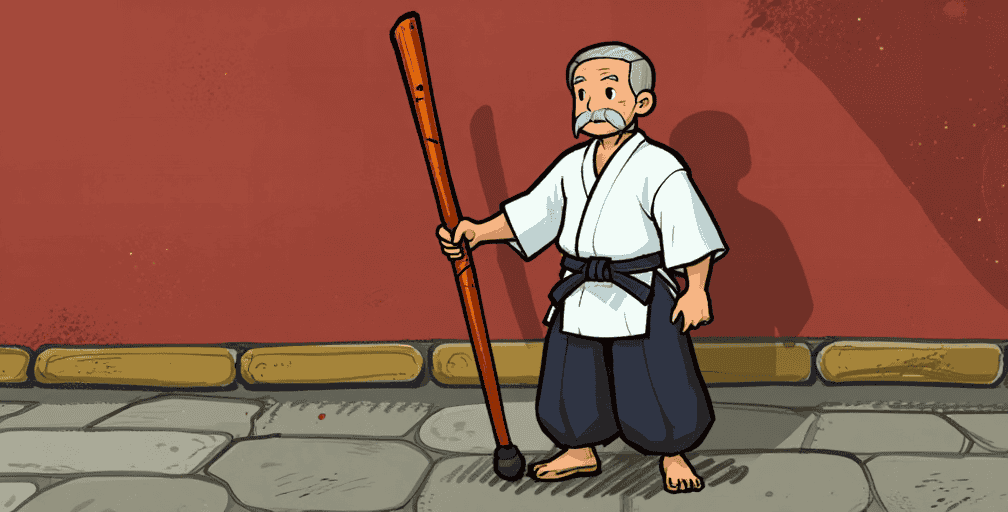
Taira Shinkenin katsotaan olevan tärkein yksittäinen henkilö Ryukyu kobudon säilyttämisessä ja siirtämisessä 1900-luvulla. Syntynyt vuonna 1897 Kume-saarella (nimellä Maezato Shinken), hän muutti Tokioon vuonna 1922, ryhtyi Funakoshi Gichinin oppilaaksi ja rakensi Shuri-pohjaisen karateperustan. Myöhemmin hän opiskeli kobudoa Yabiku Modenin ohjauksessa ja syvensi osaamistaan pitkäaikaisen harjoittelun kautta Mabuni Kenwan luona. Nämä kolme erillistä sukulinjaa muovasivat sekä hänen teknistä repertoaariaan että lähestymistapaa kokonaiseen aseiden opetusohjelmaan.
Opettajat ja vaikutteet
Funakoshi Gichin: Shōtōkan Karate -perusta
Vuonna 1922 Taira ryhtyi läheiseksi oppilaaksi (deshi) Funakoshi Gichinille, Shōtōkan-karaten pioneeriin. Hän sai Shuri-pohjaisen paljain käsin -taidon perustan, jossa korostuivat jäsennelty kihon, muodolliset luettelot ja pedagoginen viitekehys — joita hän myöhemmin sovelsi suoraan kobudoon. Näin aseiden opetusohjelma istui yhteen olemassa olevien karatedojojen rakenteiden ja vyöjärjestelmien kanssa.
Yabiku Moden: Ensisijainen kobudon-opettaja
Noin vuonna 1929 Taira aloitti muodollisen Ryukyu kobudo -harjoittelun Yabiku Modenin (屋比久孟傳) ohjauksessa; tämä oli itse opiskellut Yamanni-sarjan bōta Yamani no Chineniltä ja muilta ja perusti Ryukyu Kobujutsu Kenkyūkai -järjestön. Yabiku Modenin kautta Taira peri laajan kokoelman vanhempia bō-katoja, mukaan lukien Sakugawa-, Shūshi-, Chinen/Soeishi-sarjat ja muut, sekä sukulinjat, jotka ulottuvat takaisin Soeishiin ja Chinen Shikiyanakaahan Ryukyu-kuningaskunnan myöhäkaudella.
Mabuni Kenwa: Shitō-ryū tarkentaminen
Vuonna 1933 Taira kutsui Mabuni Kenwan opettamaan hänen Shōtōkan-haaraansa Ikahossa, Gunmassa. Mabuni pysyi noin kuusi vuotta (1934–1940), ja Taira antoi hänelle asunnon ja taloudellisen tuen koko ajan. Mabunin alaisella Taira syvensi tietojaan bō- ja sai-katoista, mukaan lukien Sesoko no Kun, ja omaksui Shitō-ryūn laajan lähestymistavan useiden alueellisten sukusuuntien säilyttämiseen yhden organisaation katon alla, strategian, jonka Taira myöhemmin sovelsi suoraan hänen omaan kobudon-työhönsä.
Kokoamistyö
Tairan keskeinen panos oli katojen kerääminen ja kodifiointi useilta opettajilta ja linjoista johdonmukaiseksi opetusohjelmaksi aseen tyypin mukaan. Tämä ”antologia”-lähestymistapa vastaa läheisesti Mabunin Shitō-ryū-strategiaa: eri alueiden linjat säilyvät saman katon alla, ja standardoidut nimet sekä sekvenssit muodostavat siirrettävän järjestelmän.
Työ huipentui hänen yksityisesti painettuun teokseensa 琉球古武道大鑑 乾之巻 (Ryūkyū Kobudō Daikan); osia julkaistiin myös Nakasone Genwan esisota-ajan antologiassa 空手道大観 (1938).
Laajennettu kuolemanjälkeinen painos 新編・増補 琉球古武道大鑑 (榕樹書林, 1997), Inoue Kishon valvonnassa, on edelleen keskeinen tekninen viite Taira-linjalle. Se käsittää yli neljäkymmentä kataa kahdeksalla aseella: bō, sai, tonfa, nunchaku, kama, tekko, tinbē-rochin ja surujin.
Kahdeksan asetta, neljäkymmentä kataa
Keskeinen opetusohjelma, jonka Taira järjesti:
| Ase | Japani | Kata-luku |
|---|---|---|
| Bō | 棒 Bō | ~18 |
| Sai | 釵 Sai | 8 |
| Tonfa | Tonfa | 2 |
| Nunchaku | Nunchaku | 2 |
| Kama | 鎌 Kama | 2 |
| Tekko | 鉄甲 Tekko | 2 |
| Tinbē-Rochin | Tinbē-Rochin | 1 |
| Surujin | Surujin | 2 |
Kobudon pedagogiikka: Karaten vaikutus
Kun Taira oli saanut vaikutteita sekä Funakoshilta että Mabunilta, hän rakensi kobudo-opetusohjelmaansa karatemaiseen tapaan: järjestelmällinen kihon, muodolliset luettelot aseen tyypin ja tason mukaan. Myöhemmässä yhteistyössä oppilaansa Inoue Motokatsun kanssa tämä opetuskehys laajeni koskemaan selkeitä tsukaikata-tekniikoita (soveltavat tekniikat), kihon kumite (peruskumite) ja bunkai kumite (katan sovellukset) kullekin aseelle.
Näin kobudo tuli yhteensopivaksi karatedojojen kanssa: karatejärjestöt saattoivat liittää Tairan aseiden opetusohjelman olemassa oleviin vyöjärjestelmiin, mistä seurasi erityisesti Shōtōkanissa, Shōrin-ryūssa, Isshin-ryūssa ja muissa tyyleissä, joissa Sakugawa-, Shūshi-, Tokumine- ja Tsuken-katat vakiintuivat kobudon valinnaisiksi muodoiksi.
Sukulinjan jatkuminen
Tairan ykkösoppilas Inoue Motokatsu sai menkyo kaidenin (täyden siirtotodistuksen) ja kodifioi opetusohjelman sarjaksi asekohtaisia oppaita (琉球古武道基本技シリーズ, 1970-luku). Inoue oli aiemmin opiskellut Fujita Seikon ja Konishi Yasuhiron (Shindō Jinen-ryū) luona, ja hänen opettajansa ohjasivat hänet Tairan luo opiskelemaan Ryukyu kobudoa; hän sai kaikki 42 perinteistä asekataa suoraan Tairalta.
Nykyinen pääperintöjärjestö on 琉球古武術保存振興会 (Ryūkyū Kobujutsu Hozon Shinkōkai), jonka johdossa on Inouen vanhin poika Inoue Kisho, ja joka on rekisteröity Nihon Kobudō Kyōkaihin.
Inouen lisäksi Tairan kokeneet oppilaat muodostivat useita erillisiä linjoja. Sakagami Ryusho sai ensimmäisen shihan-lisenssin, jonka Taira koskaan myönsi (1959), ja perusti myöhemmin mantereelle Ryukyu Kobudo Kongo-ryūn. Hayashi Teruo kuvattiin vuoden 1964 japaninkielisessä julkaisussa ”johtavaksi oppilaaksi” ja perusti Kenshin-ryūn, jonka nimi yhdistää merkin Tairasta ja toisen merkin hänen toiselta kobudo-opettajaltaan Nakaima Kenkolta. Kaikkien dokumentoitujen oppilaiden profiilit: Taira Shinkenin oppilaat.
Katat, jotka hän luoi
Kokoamistyön lisäksi Taira loi useita uusia katoja. Kaksi kantaa hänen syntymänimen Maezaton:
- Maezato no Nunchaku: vakiintunut nunchaku-harjoittelukata Ryukyu kobudon opetusohjelmassa
- Maezato no Tekko: kata, jossa käytetään metallisia hevosenkenkä-tekkoja; nimetty syntymäpaikan mukaan
- Jigen no Sai: selkeästi uusi luomus, joka säilyttää Kochijo no Sain manji-sai-muunnelmana
Hänen seuraajakseen hänen kuolemansa jälkeen syyskuussa 1970 tuli Eisuke Akamine Okinawassa ja Inoue Motokatsu mantereen Japanin organisaatiolle.
Lähteet
- Taira Shinken — Wikipedia: Elämäkertatiedot, Ryūkyū Kobudō Hozon Shinkokain perustaminen (1955), kata-tekijyys
- Okinawan kobudō — Wikipedia: Vahvistaa Tairan koonneen 42 olemassa olevaa kataa; opiskeli Yabiku Modenin johdolla
- Ryūkyū Kobujutsu Hozon Shinkōkai — sukulinja: Yksityiskohtainen sukulinja Soeishista/Chinen Shikiyanakaasta Yabikun kautta Tairaan ja Inoueelle
- Taira Shinken: Restorer of Okinawa Kobudo — Andreas Quast: Tairan harjoittelu Mabunin johdolla; Sesoko no Kun; historiallinen analyysi
- Ryukyu-kobudo.net — Tairan elämäkerta tai Ryukyu Kobujutsu Hozon Shinkokai — historia: Aikajana Funakoshista Yabikuun ja Mabuniin
- Tutkimussivu: Ensisijaiset bibliografiset lähteet, erityisesti 新編・増補 琉球古武道大鑑 (1997) ja 琉球古武道基本技シリーズ (Inoue Motokatsu)