Matayoshi Kobudo: 金硌流唐手沖縄古武術
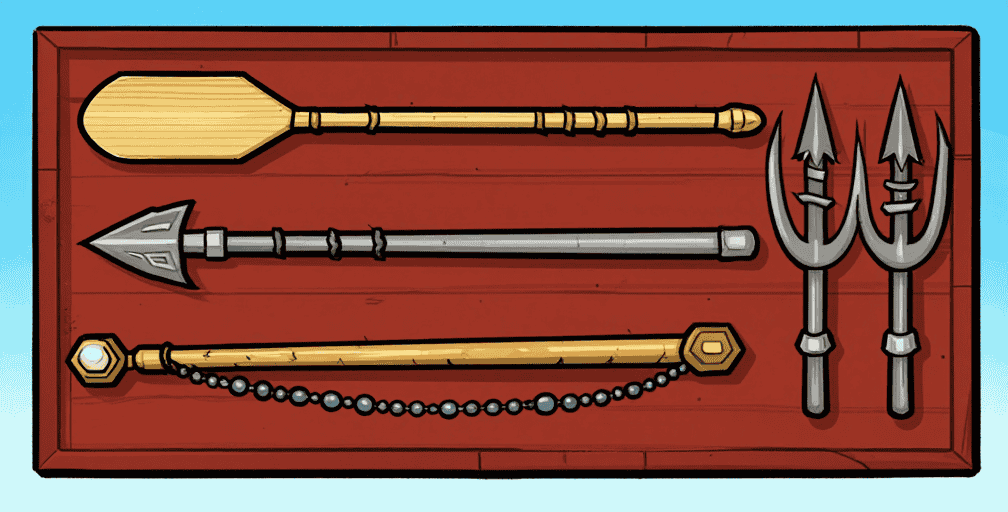
Matayoshi-perheen sukulinja yhdistää karaten (Kingai-ryū karate) poikkeuksellisen laajaan aseiden opetusohjelmaan. Tyylillä on vahvoja kiinalaisvaikutteisia piirteitä, jotka heijastavat historiallisia suhteita Ryukyu-kuningaskunnan ja manner-Kiinan välillä.
Nihon Kobudō Kyōkai -listaus
Rekisteröity nimellä 金硬流唐手沖縄古武術 (Kingai-ryū karate ja Okinawalainen kobujutsu). Nykyinen edustaja: 又吉 靖 (Matayoshi Yasushi), listattu 宗家十七代目:nä (17. sukupolven sōke).
- Nihon Kobudō Kyōkai -profiili: https://www.nihonkobudokyoukai.org/martialarts/066/
- Kansainvälinen sivusto: https://www.matayoshikobudo.org
Asevalikoima
Matayoshi-opetussuunnitelma sisältää poikkeuksellisen laajan asevalikoiman:
| Kategoria | Aseet |
|---|---|
| Sauva-aseet | Bō, Jō |
| Terä-aseet | Kama (sirppi), Nuntei (tridenttikeihäs) |
| Joustavat | Nunchaku, Surujin, Sansetsukon (kolmiosainen sauva) |
| Varsiasteet | Eku (veneen airo), Kuwa (kuokka), Yonsetsukun (neliosainen sauva) |
| Pistävät/Suojaavat | Sai, Tekko |
| Kilpi | Tinbē (kilpi) |
| Rauta | Tetsubō (rautanuija) |
Tämä laajuus heijastaa Matayoshi-perheen painotusta säilyttää okinawalaisten aseiden maanviljelys-, kalastus- ja arkiesineperäinen alkuperä.
Yhteiset kata-nimet Taira-linjan kanssa
Organisatorisesti erillisistä lähtökohdistaan huolimatta Matayoshi kobudo ja Taira-linja jakavat monia kata-nimiä, kuten Shūshi no Kon, Sakugawa no Kon, Chatan Yara no Kon, Tsuken no Kon, Chōun no Kon, koska molemmat sukulinjat ammentavat samasta historiallisesta Ryukyu-aseiden kata-varastosta. Koreografiset versiot eroavat toisistaan; sukuyhteydet ovat yhteiset.
Sukulinja
Matayoshi Shinchin (又吉真仁)
    └── Matayoshi Shinpo (又吉真豊, 1921–1997)  ← 1900-luvun keskeinen hahmo
            └── Useita kansainvälisiä oppilaita
                    └── Matayoshi Yasushi (又吉靖)  ← nykyinen sōke
Matayoshi Shinpo toimi Kodokan-dojossa Nahassa. Hänen siirtämänsä perinne on synnyttänyt useita kansainvälisiä organisaatioita; IMKA (International Matayoshi Kobudo Association) on yksi merkittävistä.
Historiallinen katsaus
1900-luvun alussa Matayoshi Shinko (又吉真光, 1888–1947) esitteli kobudoa Japanin keisarille yhdessä Chojun Miyagin ja Gichin Funakoshin kanssa. Shinkon kuoleman jälkeen vuonna 1947 hänen poikansa Matayoshi Shinpo (1921–1997) jatkoi perintöä perustamalla 1970-luvulla Kodokan (光道館) -dojon Nahaan. Vuonna 1972 Shinpo perusti Zen Okinawan Kobudo Renmein muodolliseksi opetusjärjestöksi. Nykyisin arviolta 2 000 dojoa ympäri maailman harjoittaa Matayoshi-sukulinjan kobudoa.
Lähteet
- Matayoshi Kobudo — Wikipedia: Täydellinen sukulinjahistoria, Shinkon/Shinpon elämäkerta, Zen Okinawan Kobudo Renmein perustaminen (1972), n. 2 000 dojoa maailmanlaajuisesti
- Nihon Kobudō Kyōkai — Matayoshi: Muodollinen tunnustuslistaus, jossa Matayoshi Yasushi nykyisenä edustajana
- Okinawan kobudō — Wikipedia: Konteksti Matayoshi-koulukunnan asemalle okinawalaisen kobudon perinteessä
- International Matayoshi Kobudo Association: Nykyinen kansainvälinen organisaatio