Muut tyylit
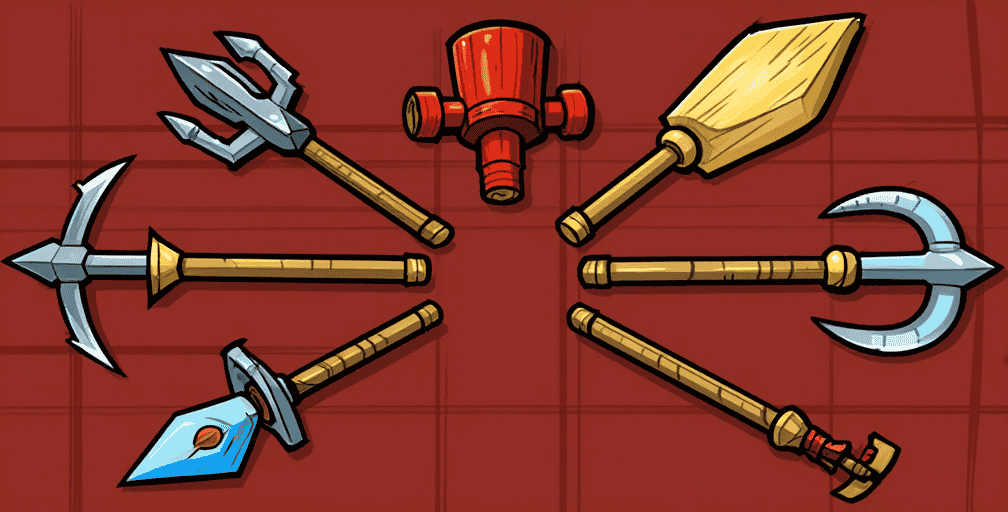
Kolmen päätyylin lisäksi useita muita perinteitä säilyttävät Ryukyuan aseperinteet, joista osa on keskitettyä yksittäiseen aseeseen, toiset integroitu karate-systeemeihin.
Motobu Udun-di (本部御殿手)
Motobu-kuninkaallissuvun palatsin taistelutaide. Rekisteröity Nihon Kobudō Kyōkaiin nimellä 琉球王家秘伝本部御殿手 (edustaja: 本部 朝正 Motobu Chōsei).
Tätä taidetta kuvataan palatsin vartijatyylinä, joka sisältää sekä tyhjienkäsien menetelmiä että aseiden käyttöä, erityisesti miekkoja ja kaksoismiekkatechniikoita (nito). Kuninkaallisperhe-konteksti tarkoittaa, ettei tätä perinnettä opetettu julkisesti kuningaskunnan aikana; nykyinen siirto heijastaa 1900-luvun muodollistumista.
- Nihon Kobudō Kyōkai: https://www.nihonkobudokyoukai.org/martialarts/065/
Tokushinryū Kobudo (徳心流古武道)
Tokushinryū on sodanjälkeinen organisaatio, joka kokosi opetussuunnitelman useista okinawalaisista sukulinjoista. Sen bō-kata-luettelo sisältää useita perheitä (Sakugawa, Shūshi, Chatan Yara, Tsuken) sekä muita, jotka eivät ole keskeisiä Tairan tai Matayoshin listoilla.
Tokushinryūn kata-vertailutaulukko Kata-osiossa osoittaa, kuinka sama perheen nimi voi esiintyä eri koreografioilla neljässä eri organisaatiossa.
Okinawa Gōjū-ryū Bujutsu (沖縄剛柔流武術)
Ensisijaisesti tyhjin käsin -karatejärjestelmä, Okinawa Gōjū-ryū Bujutsu on listattu Nihon Kobudō Kyōkain 空手・琉球古武術 -merkinnöissä. Edustaja: 東恩納 盛男 (Higashionna Morio).
Käytännössä jotkut Gōjū-ryūn haarat sisältävät lisäaseiden harjoittelua (erityisesti bōlla). Sen ensisijainen merkitys kobudon tutkimuksessa on kontekstuaalinen: monet karate-organisaatiot lisäsivät asekatat opetussuunnitelmiinsa Taira-linjan tai Matayoshin materiaalista 1900-luvun lopulla.
- Nihon Kobudō Kyōkai: https://www.nihonkobudokyoukai.org/martialarts/067/
Karate-pohjainen aseharjoittelu
Useat manner-japanilaiset ja okinawalaiset karate-organisaatiot lisäsivät asekatoja opetussuunnitelmiinsa sodanjälkeisenä aikana, yleensä Taira-linjan opetusten pohjalta. Ryhmät kuten Shōrin-ryū, Isshin-ryū ja erilaiset Shotokan-affiliaatit omaksuivat bō-katoja kuten Shūshi no Kon ja Sakugawa no Kon. Nämä on listattu Kata-osiossa kohdassa "Karate-aseopetussuunnitelmat".
Tokushinryū ammentaa useista okinawalaisista sukulinjoista rakentaakseen laajan bō-kata-luettelon, joka sisältää Sakugawa-, Shūshi-, Chatan Yara- ja Tsuken-perheet sekä muita. Se on listattu Nihon Kobudō Kyōkain tunnustamien ase-taiteiden joukossa.
- Nihon Kobudō Kyōkai: https://www.nihonkobudokyoukai.org/martialarts/064/
Ryukyu Kobudo Kongo-ryū (琉球古武道金剛流)
Kongo-ryū on kobudō-tyyli, joka on suoraan peräisin Taira Shinkeniltä. Sen perustaja Sakagami Ryusho (坂上隆祥) sai ensimmäisen shihan-luvan, jonka Taira koskaan myönsi (1959), jota seurasi 8. dan kobudossa (1963). Sakagami oli Itosu-ha Shitō-ryū karaten kolmannen sukupolven johtaja (Itosu-ryū linja: Itosu Anko – Mabuni Kenwa – Sakagami).
Kongo-ryūn virallinen sivusto toteaa sen olevan "vanhin Ryukyu kobudo -dojo Japanin mantereella." Tairan kuoleman jälkeen Sakagami muodollisti oman kobudonsa Kongo-ryūksi. Nykyinen shuseki shihan on hänen poikansa Sakagami Sadaaki, joka on myös Itosu-ryū karaten kansainvälinen johtaja.
- Virallinen sivusto: https://www.kobudo-kongo-ryu.net
- Itosu-ryū kobudo -sivu: https://www.itosu-ryu.net/kobudo
Okinawa Kobudo Kenshin-ryū (沖縄古武道憲心流)
Kenshin-ryūn perusti vuonna 1961 (Shōwa 36) Hayashi Teruo (林輝男), jota vuoden 1964 japanilaisessa lehtijutussa kuvataan "johtavaksi oppilaaksi, joka oppi kobudoa Taira Shinkenin johdolla."
Tyylin nimi on harkittu yhdistelmä: "Ken" (憲) tulee Nakaima Kenkolta (Ryuei-ryū karate), Hayashin toiselta pääopettajalta, ja "Shin" (心) tulee Taira Shinkeniltä. Sama lähde selittää, että Hayashi "loi Kenshin-ryūn okinawalaisen kobudon omaksumalla nämä kaksi merkkiä."
- Virallinen Hayashi-ha -sivusto: https://hayashiha.jp/kenshinryu/index.html
Lähteet
- Nihon Kobudō Kyōkai — Ryukyu Kobujutsu: Inoue Kishō / Taira-linjan listaus
- Nihon Kobudō Kyōkai — Matayoshi: Matayoshi Yasushin listaus
- Nihon Kobudō Kyōkai — Motobu Udun-di: Motobu Chōsei, palatsin taiteen listaus
- Nihon Kobudō Kyōkai — Okinawa Gōjū-ryū Bujutsu: Higashionna Morio listaus
- Okinawan kobudō — Wikipedia: Yleiskatsaus tärkeimmistä sukulinjoista ja niiden suhteista